
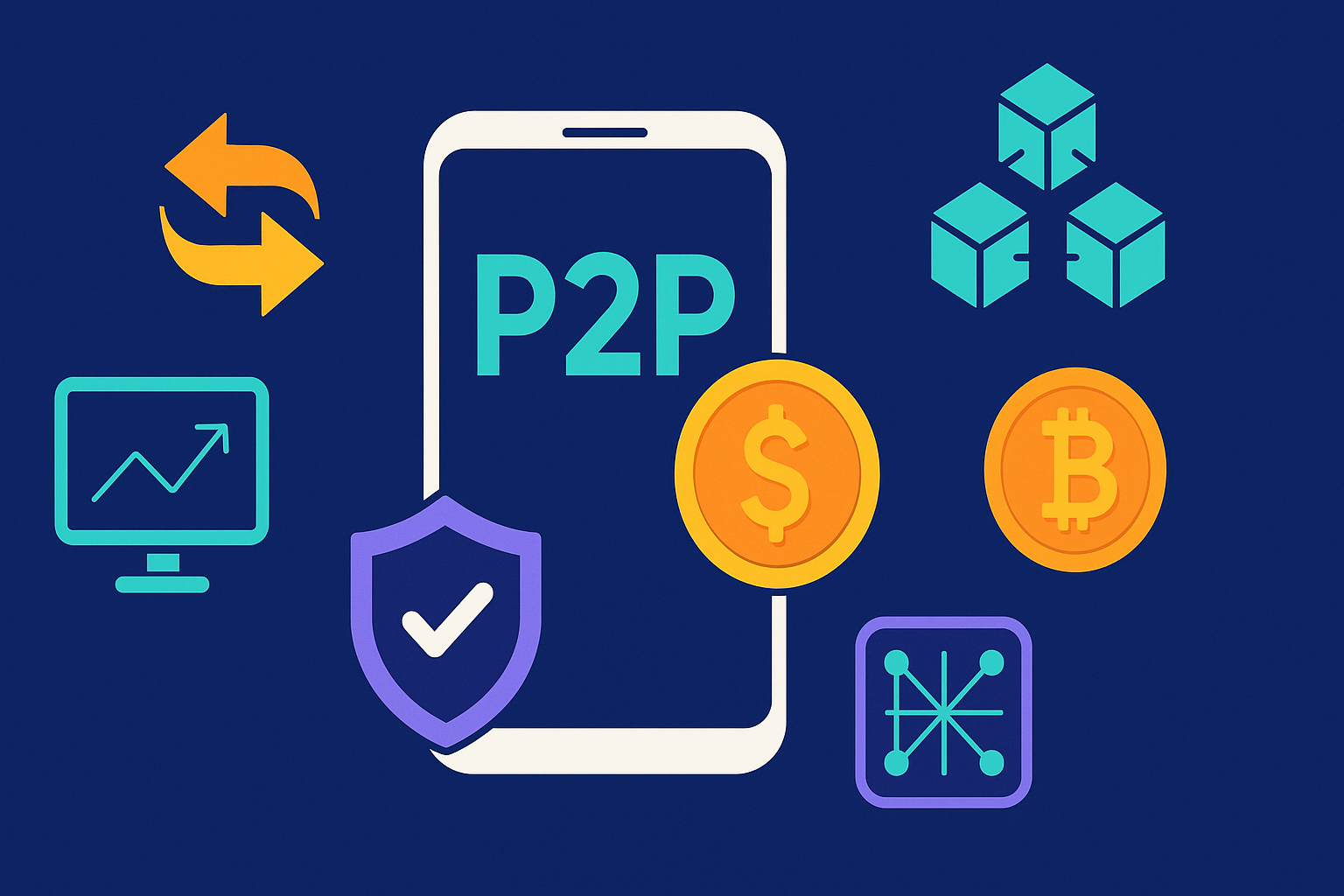
The digital asset landscape is undergoing a profound structural shift. While the early 2020s were dominated by the convenience and liquidity of Centralized Exchanges (CEXs), the mid-2020s are being defined by a return to the roots of blockchain: Peer-to-Peer (P2P) interaction. As we navigate through 2025 and look toward 2026, the demand for p2p cryptocurrency exchange software has reached an all-time high, driven by a global push for financial sovereignty, privacy, and resistance to centralized points of failure.
Peer-to-peer trading is no longer the clunky, high-risk endeavor of the early Bitcoin era. Modern P2P exchange platform development has matured into a sophisticated ecosystem that combines the security of decentralized escrow with the user experience of a modern fintech app.
The Sovereignty Shift: Why "Non-Custodial" is the New Standard
The primary catalyst driving users toward P2P platforms is the desire for custody. In the wake of high-profile centralized exchange collapses and increasing regulatory freezes on individual accounts, the mantra "not your keys, not your coins" has shifted from a niche warning to a mainstream requirement.
The Decentralized Advantage
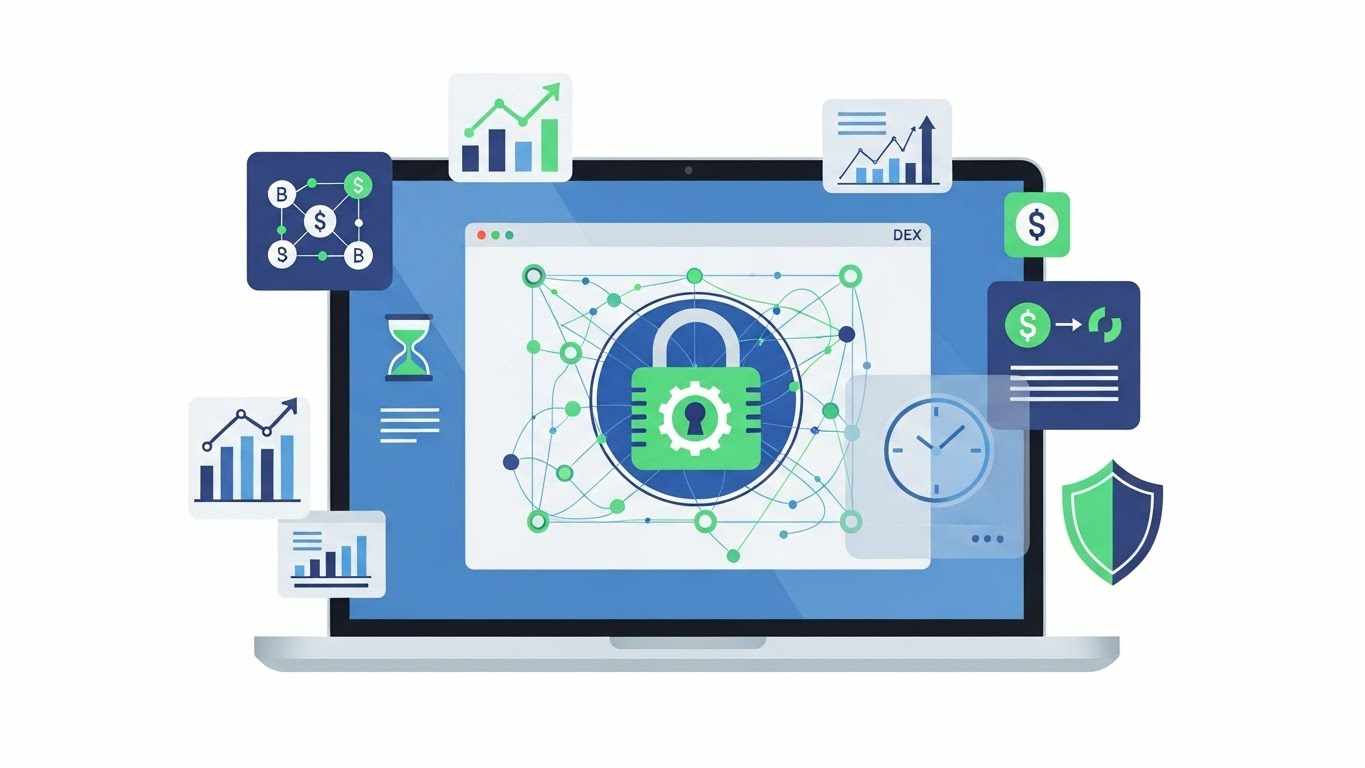
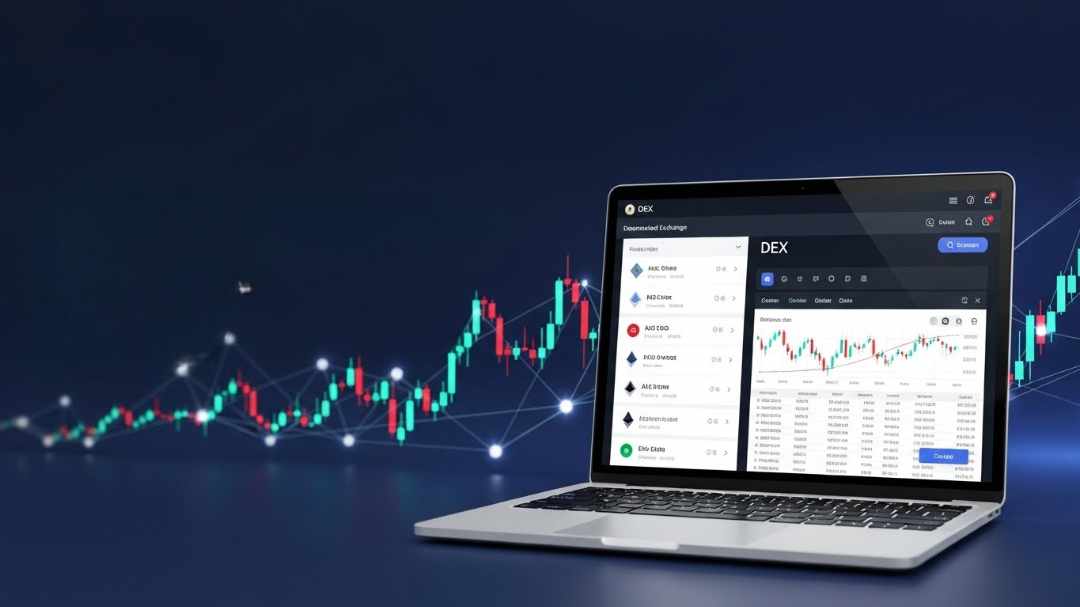
A P2P decentralized exchange operates without a central authority holding user funds.Instead, transactions are facilitated through automated smart contracts or multi-signature escrow systems. This architectural difference is vital; it means that even if the platform’s interface goes offline, the users’ assets remain safely in their own wallets.
Modern p2p exchange software is built to prioritize this non-custodial model. By allowing users to trade directly from self-custody wallets like MetaMask or Trust Wallet, the software eliminates the "honeypot" risk associated with centralized databases. For the asset holder, this provides a level of security that no insurance fund can replicate.
Technical Evolution: Beyond Simple Escrow
The future of P2P trading is being built on advanced cryptographic foundations. The best peer to peer exchange development today involves more than just a chat window and a "release" button; it integrates cutting-edge tech to solve the historic "trust" problem.
Zero-Knowledge Proofs (ZKP) and Privacy
In 2025, privacy has become a premium commodity. Emerging p2p exchange development services are now integrating Zero-Knowledge Proofs to verify user identity or payment status without actually exposing the underlying sensitive data.
Selective Disclosure: A user can prove they have sufficient funds or are from a permitted jurisdiction without revealing their exact bank balance or identity.
Confidential Trades: ZKPs allow the validation of a trade on the blockchain while keeping the transaction amount and the participating addresses private.
AI-Driven Dispute Resolution
Historically, the "slow speed" of P2P was its biggest drawback. However, modern p2p cryptocurrency exchange software now employs AI-driven risk scoring and automated evidence analysis. By using Optical Character Recognition (OCR) to verify bank receipts against trade data, platforms can resolve simple disputes in seconds rather than days, making the P2P experience competitive with the near-instant execution of a CEX.
Global Inclusivity and the Fiat Gateway Problem
While CEXs often struggle with banking partnerships in emerging markets, P2P trading thrives. The flexibility of a P2P exchange platform allows for a nearly infinite variety of localized payment methods from mobile money in Africa (M-Pesa) to UPI in India and digital wallets in Southeast Asia.
Case Study: Emerging Market Dominance
In regions with high inflation or restrictive banking, P2P is not just an alternative; it is the default. Recent data shows that in countries like Nigeria and Vietnam, P2P trading volumes have outperformed centralized spot trading by a significant margin. This is because p2p exchange software enables "hyper-local" liquidity. A trader in Lagos can buy USDT with a local bank transfer from a neighbor, effectively bypassing the hurdles of international wire transfers and dollar-denominated fees.
The Business Case: Why Brands are Hiring P2P Developers
For entrepreneurs and fintech companies, the incentive to launch a P2P platform is stronger than ever. Traditional exchange models require massive capital reserves for liquidity and insurance. In contrast, a p2p exchange development company can build a platform where the users provide the liquidity themselves.
Revenue Models and Scalability
Escrow Fees: Charging a small percentage (typically 0.1% to 1%) for the security provided by the escrow service.
Ad Boosting: Allowing "Power Merchants" to pay for better visibility for their trade offers.
Reduced Liability: Since the platform doesn't take custody of crypto, the insurance and security overhead is significantly lower than that of a CEX.
Business owners are increasingly seeking p2p exchange development services to create niche marketplaces such as platforms dedicated to high-net-worth OTC (Over-the-Counter) trades or region-specific fiat on-ramps.
Navigating the Regulatory Landscape
The future of P2P is also being shaped by regulations like MiCA in the EU and the global adoption of the "Travel Rule”. While decentralization is the goal, the most successful p2p cryptocurrency exchange software of the next decade will be "Compliance-Ready."
This means integrating Decentralized Identity (DID) solutions. These systems allow users to maintain their privacy while providing the platform with a cryptographically signed "attestation" that they have passed a KYC check. This hybrid model allows P2P platforms to operate legally in strictly regulated markets without sacrificing the core principle of user-led exchange.
Conclusion
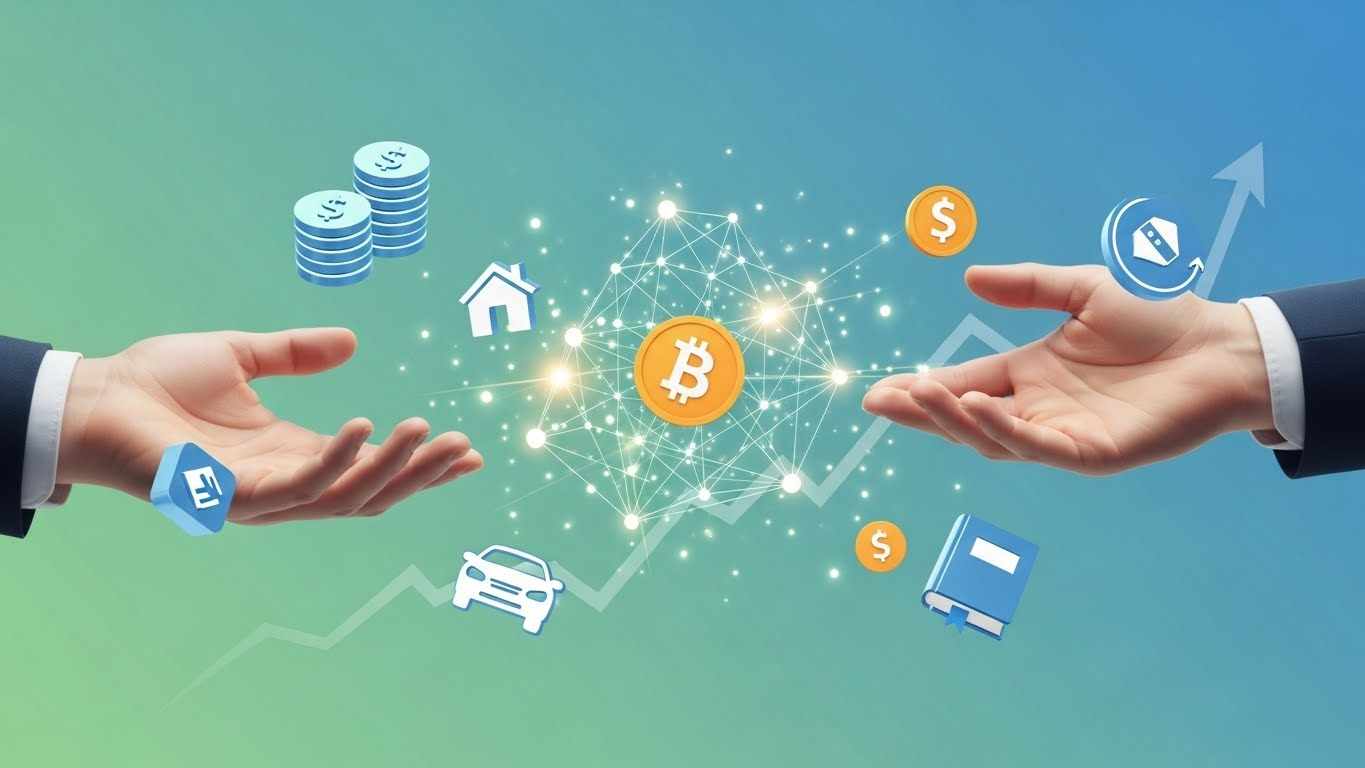
P2P is the future of crypto trading because it aligns perfectly with the original promise of blockchain: a world without intermediaries. As the technology behind p2p exchange software continues to bridge the gap between security and convenience, the centralized monopoly on liquidity is fading.
Whether it is for the privacy-conscious trader in Europe, the unbanked entrepreneur in Asia, or the institutional investor seeking secure OTC channels, the P2P decentralized exchange is the final destination. The transition from "custody by a corporation" to "sovereignty by the individual" is no longer a trend it is an inevitability.












Write a comment ...