
The peer-to-peer (P2P) cryptocurrency landscape is no longer just a niche alternative for privacy enthusiasts; by 2026, it has become a sophisticated pillar of the global digital economy. As centralized entities face mounting regulatory pressures and systemic vulnerabilities, the demand for high-performance p2p exchange software has reached an all-purpose inflection point. Modern p2p exchange development services are now focusing on a convergence of artificial intelligence, cross-chain fluidity, and institutional-grade security to redefine how value is exchanged.
The evolution of the P2P exchange platform in 2026 is marked by a shift from "basic connectivity" to "intelligent autonomy." This article explores the vital trends driving this transformation and why businesses are prioritizing Best Peer to Peer Exchange Development to stay competitive.
AI-Powered Autonomous Trading and Risk Mitigation
In 2026, Artificial Intelligence (AI) is no longer a "feature"—it is the core architecture of the modern p2p cryptocurrency exchange software. The primary challenge of P2P trading has historically been the "trust gap" and the manual effort required to vet counterparties. AI has effectively closed this gap.
Intelligent Fraud Detection and Behavioral Analysis
The most significant trend in p2p exchange software is the integration of machine learning models that monitor transaction patterns in real-time. Unlike traditional rule-based systems, AI-driven security can identify "wash trading" or "social engineering" attempts before they result in a loss.
Predictive Trust Scores: Platforms now use AI to analyze a user's historical behavior, response times, and dispute frequency to generate dynamic trust scores.
Automated Dispute Resolution: Simple disputes regarding payment confirmations are now handled by AI bots that verify bank API data or blockchain receipts, reducing the need for human arbitrators by up to 70%.
Personalized Trading Environments
AI also powers the user experience. A modern p2p exchange development company now builds platforms that learn a trader’s preferences. If a business frequently trades USDT for INR via specific local banks, the software automatically surfaces the most reputable sellers matching those exact criteria, optimizing for both speed and price.
Cross-Chain Interoperability: Breaking the Network Silos
Historically, P2P exchanges were often limited to a single blockchain or required wrapped tokens to facilitate trades between different networks. In 2026, the trend has shifted toward "Native Interoperability."
The Rise of Atomic Swaps and CCIP
The best peer to peer exchange development now utilizes protocols like Chainlink’s Cross-Chain Interoperability Protocol (CCIP) or LayerZero. This allows users to trade native BTC for native ETH or SOL directly within a P2P decentralized exchange without relying on a centralized bridge.
Liquidity Aggregation: By connecting multiple chains, P2P platforms can tap into deeper liquidity pools, ensuring that even large-volume trades can be settled without significant slippage.
Reduced Counterparty Risk: Cross-chain smart contracts ensure that the "swap" happens simultaneously on both chains. If one party fails to send their side of the trade, the assets are automatically returned to the original owners, making the process truly "trustless."
The "Institutionalization" of P2P: Regulatory-Ready DeFi
While the "No-KYC" ethos remains a core part of the P2P world, 2026 sees a massive surge in "Permissioned P2P" platforms. As global frameworks like MiCA and the Clarity Act take hold, businesses are seeking p2p exchange development services that offer a middle ground: Privacy for the individual, but compliance for the enterprise.
Modular Compliance (KYC-as-a-Service)
Modern p2p cryptocurrency exchange software is now modular. A business can toggle compliance features based on the user's jurisdiction.
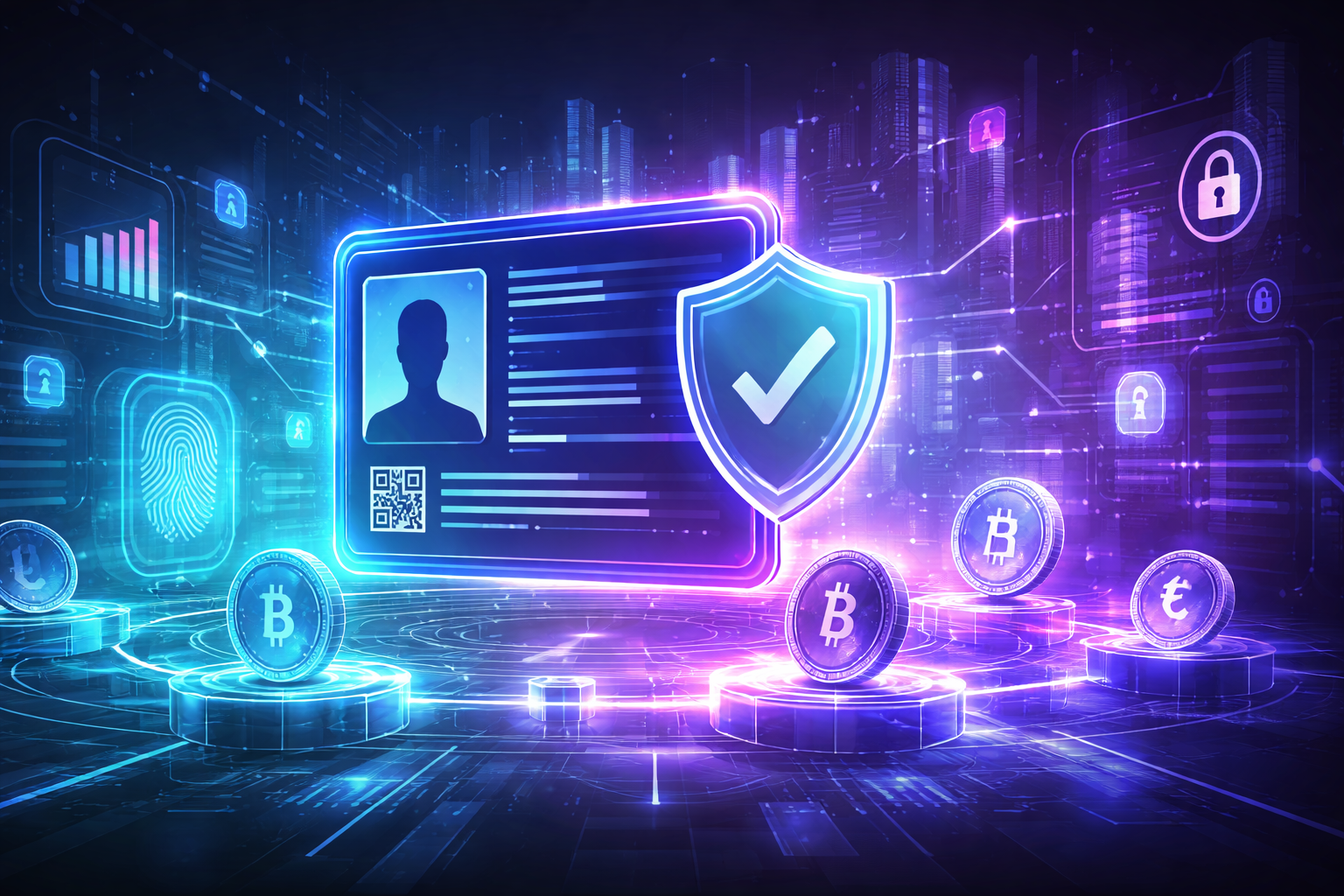
Zero-Knowledge Proofs (ZKP): Users can prove they are "verified" or "over 18" without revealing their actual identity or sensitive documents to the platform.
VASP Integration: For institutional traders, platforms are integrating with Virtual Asset Service Provider (VASP) registries to ensure that every participant in a high-value trade has been vetted, satisfying AML requirements while maintaining the P2P architecture.
Hyper-Localization and RWA Integration
The year 2026 has seen P2P move beyond just "buying crypto." It has become a gateway for Real-World Asset (RWA) tokenization. Businesses are now commissioning a p2p exchange development company to build marketplaces for tokenized real estate, commodities, and even private equity.
Trading "Anything" Peer-to-Peer
The software is evolving to support complex asset types:
Fractionalized Real Estate: A user in Europe can sell a 1% share of a tokenized apartment building to a buyer in Asia via a P2P escrow.
Local Payment Gateway Diversity: In emerging markets, P2P software now supports thousands of local payment methods—from mobile money like M-Pesa to regional "instant-pay" bank systems—making it the primary on-ramp for the unbanked.
Security Evolution: MPC and Quantum Resistance
As computing power grows, so do the threats. In 2026, security in p2p exchange software has moved toward Multi-Party Computation (MPC) and Quantum-Resistant Cryptography.
Beyond the Single Private Key
The "Not your keys, not your coins" mantra has evolved. Modern P2P exchange platforms use MPC to split a user's private key into multiple "shards."
Distributed Key Management: No single party (neither the user nor the platform) ever holds the full key. This makes it virtually impossible for a hacker to "drain" a wallet, even if they compromise one device.
Quantum-Resistant Algorithms: With the emergence of early-stage quantum computing, the best peer to peer exchange development now includes Lattice-based cryptography to future-proof user assets against tomorrow's threats.
Conclusion
The trends of 2026 demonstrate that the P2P decentralized exchange is no longer a primitive tool; it is a high-tech financial engine. For businesses, the opportunity lies in ownership. By investing in custom p2p exchange software through a specialized p2p exchange development company, organizations can build resilient, compliant, and highly profitable ecosystems that bypass the limitations of traditional centralized finance.
The shift toward AI-driven security, native cross-chain swaps, and RWA integration is not just an upgrade it is the new standard for global commerce.







Write a comment ...