
The cryptocurrency market has grown exponentially, creating opportunities for new exchanges to enter the space. White label crypto exchange solutions provide a strategic shortcut, allowing businesses to launch a fully functional trading platform without building one from scratch. However, simply deploying a white label solution is not enough. To succeed in 2026 and beyond, platforms must be equipped with the right features that cater to user needs, ensure security, support scalability, and comply with regulatory frameworks.
This article explores five essential features that every white label crypto exchange should incorporate. By focusing on these core elements, organizations can create competitive, secure, and user-friendly trading environments. Keywords integrated throughout this article include: White Label Crypto Exchange, White Label Cryptocurrency Exchange, White Label Crypto Exchange Development, White Label Crypto Exchange Platform development, White Label Crypto Exchange software development, White Label Crypto Exchange Platform.
1. Robust and Scalable Trading Engine
The trading engine is the heart of any crypto exchange, handling order matching, trade execution, and price calculation. A high-performance trading engine ensures that users experience minimal latency and seamless trading, even during periods of high market activity.
Key considerations for a robust trading engine include:
High Throughput: Capable of processing thousands to millions of transactions per second.
Low Latency: Millisecond-level execution to support high-frequency trading and professional traders.
Order Types: Support for market, limit, stop-limit, and advanced orders.
Fault Tolerance: Mechanisms to prevent downtime and ensure high availability.
Real-World Example: Leading exchanges like Binance and Kraken invest heavily in low-latency matching engines capable of handling massive trade volumes, which has become a key differentiator in user retention and market reputation.
A scalable trading engine also allows exchanges to add new trading pairs or support multiple assets, ensuring growth without compromising performance.
2. Multi-Layered Security Architecture
Security is a critical feature in white label crypto exchange software development. With frequent cyberattacks targeting exchanges globally, users expect robust protection for their assets and data.
Essential security features include:
Wallet Infrastructure: Segmented into hot, warm, and cold wallets to balance accessibility with asset protection.
Multi-Signature Authentication: Ensures that critical transactions require approval from multiple authorized parties.
Encryption Protocols: End-to-end encryption for sensitive user and transaction data.
Real-Time Monitoring: Continuous surveillance for suspicious activity and automated alerts.
DDoS Protection: Mitigation strategies to ensure uptime during distributed denial-of-service attacks.
Case Insight: In 2021, a major exchange suffered losses due to insufficient wallet segmentation. Platforms implementing multi-layered wallet strategies significantly reduce such risks.
Additionally, security audits and compliance checks should be an ongoing process rather than a one-time event. Integrating security into every component of the platform from the trading engine to user interfaces enhances trust and credibility.
3. Comprehensive KYC and Compliance Integration
Regulatory compliance is increasingly critical as governments worldwide strengthen cryptocurrency regulations. A white label crypto exchange platform development must include mechanisms for Know Your Customer (KYC) and Anti-Money Laundering (AML) compliance.
Features for effective compliance include:
Automated KYC Verification: Integration with third-party verification services for fast and accurate identity checks.
AML Transaction Monitoring: Real-time scanning of suspicious transactions and adherence to local regulations.
Audit Trails: Immutable logging of all user activity for regulatory reporting.
Regional Compliance Rules: Ability to enforce jurisdiction-specific restrictions, such as prohibiting certain trades in specific regions.
Example: Exchanges operating across multiple regions often deploy modular compliance services, allowing them to adapt workflows without affecting trading performance.
Compliance integration not only ensures legal adherence but also builds user trust, a key factor for long-term platform success.
4. Liquidity Management and Market Integration
Liquidity is vital for a seamless trading experience. Without sufficient liquidity, users face higher spreads and poor execution, which can drive them to competing platforms.
Key liquidity-related features include:
Liquidity Aggregation: Connecting to external liquidity providers or other exchanges via APIs to maintain tight spreads.
Internal Market Making: Automated strategies to provide consistent order book depth.
Cross-Asset and Cross-Pair Support: Enabling users to trade various cryptocurrencies with minimal slippage.
Failover Mechanisms: Ensuring uninterrupted liquidity even if one source fails.
Case Insight: Platforms like Coinbase and Bitstamp leverage multiple liquidity providers to ensure consistent execution quality. For white label exchanges, integrating liquidity at launch can be a decisive factor in early user adoption.
Well-implemented liquidity management also supports advanced trading features such as margin and derivatives trading, enhancing the platform’s competitiveness.
5. User-Friendly Interface and Advanced Analytics
User experience (UX) and analytics are crucial for attracting and retaining traders. A white label crypto exchange platform must provide an intuitive, responsive interface across devices while offering tools that enable informed trading decisions.
Core interface and analytics features include:
Responsive Design: Optimized for desktops, tablets, and mobile devices.
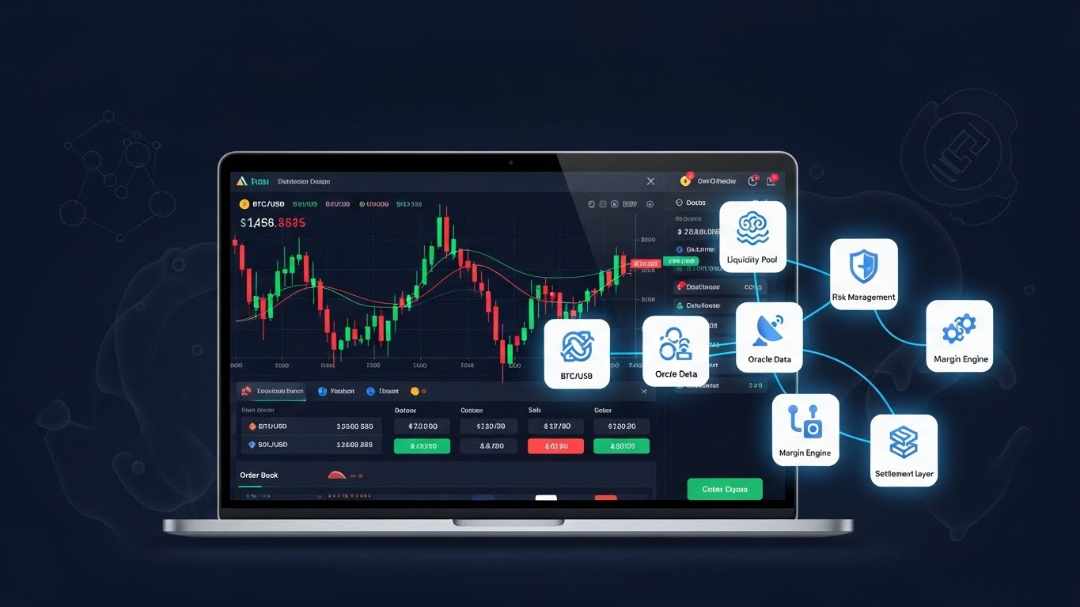
Trading Dashboards: Real-time order book, market depth, price charts, and trade history.
Analytics and Reporting Tools: Portfolio tracking, performance metrics, and risk analysis.
Customizable Layouts: Allowing users to arrange dashboards and widgets according to preferences.
Notifications and Alerts: Real-time alerts for price changes, order execution, and margin calls.
Real-World Example: Platforms like eToro and Binance offer comprehensive dashboards with advanced charting tools, attracting both novice and professional traders.
Combining usability with advanced analytics empowers users to trade confidently, which in turn increases engagement and trading volume.
Conclusion
Launching a successful white label crypto exchange in 2026 requires more than deploying prebuilt software it demands a strategic focus on core features that define platform performance, security, compliance, liquidity, and user experience. The five essential features discussed robust trading engine, multi-layered security, comprehensive compliance, liquidity management, and user-friendly interface with analytics serve as the foundation for building a competitive and sustainable exchange.
Organizations that invest in these features during the white label crypto exchange development process are better positioned to attract and retain users, manage risk, comply with evolving regulations, and scale operations. By focusing on these critical elements, businesses can transform a white label foundation into a fully realized, successful crypto exchange platform that meets the demands of the modern digital asset market.



















Write a comment ...