
Decentralized exchanges (DEXs) have emerged as one of the most transformative innovations in the blockchain and Web3 ecosystem. By enabling peer-to-peer trading without centralized intermediaries, DEXs promise greater transparency, user control, and resilience against censorship or single points of failure. Over the past few years, decentralized finance (DeFi) platforms have processed trillions of dollars in cumulative trading volume, signaling strong market interest. Yet, despite this growth, DEX adoption still lags behind centralized exchanges (CEXs) in terms of active users, liquidity depth, and mainstream acceptance.
Understanding what drives the adoption of decentralized exchanges and what limits their broader use is critical for entrepreneurs, developers, and businesses involved in decentralized exchange development. This article explores the key technological, economic, and regulatory factors shaping DEX adoption today, while also examining the constraints that continue to slow their expansion.
The Core Value Proposition of Decentralized Exchanges
At the heart of DEX adoption lies a clear value proposition rooted in decentralization and user sovereignty. Unlike centralized platforms that custody user funds, decentralized finance exchanges rely on smart contracts to execute trades directly on-chain. This architecture removes the need to trust a single organization with assets or sensitive data.
For many users, particularly those affected by exchange hacks, withdrawal freezes, or regulatory crackdowns, self-custody has become a powerful driver. DEXs allow traders to retain control of private keys, reducing counterparty risk. Transparency is another major advantage. On-chain transactions can be independently verified, and trading logic embedded in smart contracts is often open source, allowing anyone to audit how the system works.
These principles align strongly with the original ethos of blockchain technology, making decentralized exchange development an attractive direction for builders who prioritize trust minimization and system resilience.
Technological Drivers Accelerating DEX Adoption
Advancements in Smart Contract Infrastructure
One of the most significant drivers of DEX adoption is the maturation of smart contract platforms. Early decentralized exchanges were limited by slow transaction speeds, high costs, and rigid designs. Today, improvements in Layer 1 and Layer 2 blockchains have enabled faster settlement, lower fees, and more complex trading mechanisms.
Automated market makers (AMMs), order book-based DEXs, and hybrid models now coexist, offering users diverse trading experiences. Innovations such as concentrated liquidity, dynamic fee structures, and on-chain risk management have made decentralized exchanges more competitive with centralized alternatives.
These advances directly benefit decentralized exchange software development services, as developers can now build platforms that support higher throughput and more sophisticated trading strategies.
Integration of Layer 2 and Scaling Solutions
Scalability has long been a bottleneck for decentralized finance exchanges. High gas fees on major networks like Ethereum previously limited DEX usage to high-value traders. The rise of Layer 2 solutions—such as rollups and sidechains—has significantly reduced transaction costs and latency.
Market and Economic Factors Supporting Adoption
Growing Demand for Non-Custodial Trading
Global Accessibility and Financial Inclusion
Key Limitations Slowing DEX Adoption
User Experience and Onboarding Complexity
Liquidity Fragmentation and Slippage
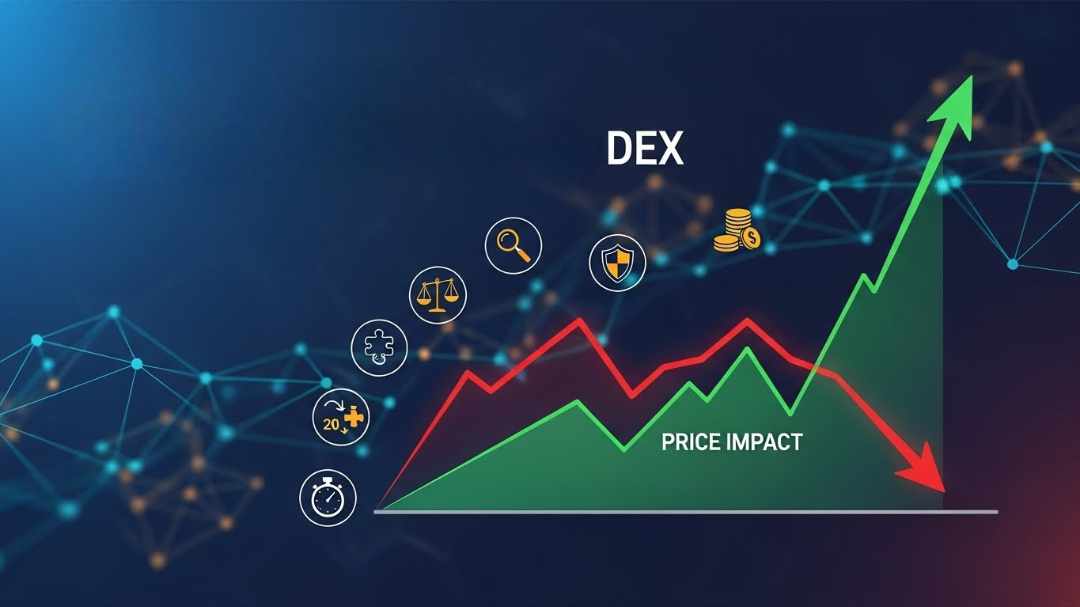
Liquidity is the lifeblood of any exchange. While top DEXs have achieved impressive volumes, liquidity is often fragmented across multiple protocols, chains, and pools. This fragmentation can lead to higher slippage, especially for large trades.
Centralized exchanges still benefit from deeper, aggregated liquidity and professional market makers. Until decentralized finance exchanges can consistently match this depth, institutional participation will remain limited.
Security Risks and Smart Contract Vulnerabilities
Security is both a driver and a limitation of DEX adoption. While decentralized exchanges remove custodial risk, they introduce smart contract risk. Bugs, logic flaws, or exploitable economic designs can result in significant losses.
Over the years, DeFi has seen numerous exploits involving flash loans, oracle manipulation, and flawed contract upgrades. These incidents can undermine user confidence, particularly among non-technical participants.
For a DeFi exchange development company, rigorous security audits, formal verification, and conservative upgrade mechanisms are essential. However, even with best practices, smart contract risk can never be fully eliminated, which continues to weigh on adoption.
Regulatory Uncertainty and Compliance Challenges
Regulation is one of the most complex factors influencing decentralized exchange adoption. DEXs operate in a gray area, as they often lack a central operator who can be held accountable under existing financial regulations.
Some jurisdictions are exploring ways to apply compliance requirements—such as anti-money laundering (AML) rules—to decentralized platforms. Others focus on developers or front-end operators. This uncertainty creates risk for businesses investing in decentralized exchange development.
At the same time, overly restrictive regulation could push innovation offshore or into more opaque systems. Striking a balance between compliance and decentralization remains an open challenge that will significantly shape the future of decentralized finance exchanges.
Institutional Adoption: Opportunity or Constraint?
Institutional interest in DeFi has grown, but widespread adoption of DEXs by institutions remains limited. Compliance requirements, reporting standards, and risk management expectations are often difficult to reconcile with fully decentralized systems.
However, progress is being made. Permissioned liquidity pools, on-chain identity solutions, and compliance-friendly architectures are emerging. These developments suggest that institutional-grade decentralized exchanges could become a reality, creating new growth opportunities.
For decentralized exchange development companies, designing platforms that can bridge decentralized infrastructure with institutional requirements may become a key differentiator.
The Path Forward for Decentralized Exchange Adoption
The future of DEX adoption depends on addressing existing limitations without compromising core principles. Continued innovation in scaling, interoperability, and user experience will play a central role. Equally important is education—helping users understand how decentralized finance exchanges work and how to use them safely.
From a development perspective, modular architectures, cross-chain liquidity solutions, and improved governance mechanisms are likely to define the next generation of decentralized exchanges. As the ecosystem matures, the line between centralized and decentralized trading may blur, with hybrid models offering the best of both worlds.
Conclusion
Decentralized exchanges represent a powerful evolution in how digital assets are traded, offering transparency, self-custody, and global accessibility. These strengths are driving steady adoption, particularly among users who value trustless systems and financial sovereignty. At the same time, challenges related to usability, liquidity, security, and regulation continue to limit their reach.
For stakeholders involved in decentralized exchange development, understanding both the drivers and constraints of adoption is essential. The success of future decentralized finance exchanges will depend on their ability to balance innovation with practicality, decentralization with compliance, and technical sophistication with user-friendly design. As these challenges are addressed, DEXs are likely to play an increasingly central role in the global financial ecosystem.















Write a comment ...